
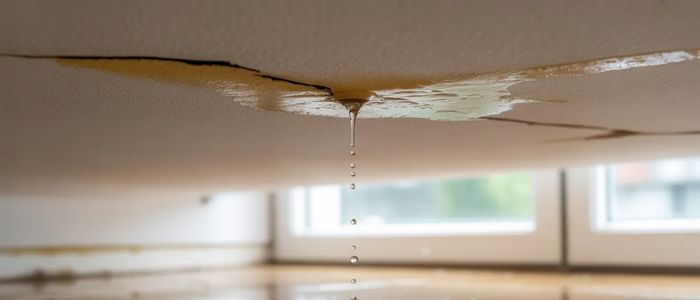
There’s nothing quite like the panic of spotting a wet patch on your ceiling or the sound of dripping water in the middle of a quiet night. Roof leaks are unpredictable they can appear after a sudden storm, weeks of unnoticed damage, or even when your roof seems perfectly fine.
But when your roof starts leaking, the first few actions you take can mean the difference between a minor fix and major structural damage. Don’t let fear take over. Here’s your ultimate, step-by-step guide to handling a roof leak immediately.
Safety Comes First
When water starts seeping through your roof, it’s tempting to rush up and inspect the damage. Resist that urge. Wet roofs are slippery, shingles can give way, and ceilings weakened by water can collapse unexpectedly.
There may even be hidden dangers like exposed nails, falling branches, or power lines. Keep everyone especially children and pets away from the affected area.
Think of yourself as managing an emergency scene: observe, assess, and protect before trying to fix anything. Wear rubber-soled shoes if you must walk near the leak and avoid stepping on wet or damaged surfaces. Safety is your first line of defense.
Locate the Source of the Leak
Finding the exact source of a leak can be trickier than it sounds. Water can travel along beams and insulation before dripping through your ceiling, making the visible spot misleading.
Start by checking your attic or crawl space in daylight. Look for dark, damp stains on wood, mold growth, or water-soaked insulation. If your ceiling is visibly wet, mark the spot with tape so you can correlate it with external observations. This initial assessment will help you communicate clearly with professionals later.
Remember, identifying the source early can prevent you from patching the wrong spot, a common mistake that can lead to recurring leaks.
Contain the Damage Inside
Once the leak is located, it’s time to stop water from wreaking havoc indoors. Place buckets, basins, or trash cans under each drip. Move furniture, electronics, and valuables away from the affected area. Protect floors and carpets with towels, plastic sheeting, or old blankets.
Every bit of containment you manage now reduces the potential for long-term damage. Water can ruin ceilings, walls, flooring, and even electrical systems if left unchecked. Acting quickly may save you thousands in repairs.
Implement Temporary Fixes
If the leak is minor, a temporary patch can buy you time until a professional arrives. Use heavy-duty tarps, roofing tape, or even plastic sheets to cover the damaged area from the outside. Secure the tarp with nails, sandbags, or ropes. Ensure the patch creates a tight barrier against wind and rain.
These temporary measures won’t solve the problem permanently, but they are essential in minimizing water infiltration. Think of them as “first aid” for your roof stabilizing the situation before comprehensive treatment.
Check for Secondary Damage
Leaks are rarely isolated events they often signal underlying problems that can worsen over time. Inspect your attic insulation for moisture damage. Damp insulation loses its ability to regulate temperature and can increase energy bills.
Watch for mold or mildew, which thrive in wet, dark environments. If left unchecked, mold can compromise air quality and cause health issues for your family.
Check structural elements like beams and trusses for sagging or warping. Spotting secondary damage early makes repairs easier and less expensive.
Call a Trusted Roofing Professional
Once immediate risks are managed, it’s time to bring in the experts. Reach out to a reputable roofing contractor as soon as possible. Provide photos, videos, and a detailed description of what you’ve observed.
Professional roofers can assess the damage accurately, identify hidden leaks, and recommend a repair plan that ensures long-term protection. Avoid DIY repairs beyond temporary fixes improper repairs can void warranties or cause further damage.
Document Everything for Insurance
Insurance often covers sudden roof leaks, but only if you can prove the damage occurred. Take clear photos and videos of water stains, damaged shingles, and any affected belongings. Keep a record of the date, time, and weather conditions.
Also, retain receipts for temporary fixes, like tarps or buckets. This documentation can streamline the claims process and improve your chances of reimbursement. A well-documented claim ensures that you’re financially protected.
Prevent Water from Entering Electronics and Valuables
Electronics are extremely sensitive to moisture. Move computers, TVs, and other electronics away from the leak. Place waterproof containers or bags over essential items if immediate relocation isn’t possible.
Consider lifting rugs, cushions, and papers off the floor. Even brief exposure to water can cause irreversible damage. Containing your valuables early prevents additional stress on top of the roof problem.
Plan for Temporary Relocation if Necessary
In extreme cases, water may flood living spaces or compromise the structural integrity of your home. If that happens, consider temporarily relocating to a safe area especially if the leak coincides with a severe storm.
Safety should always come first, even if it means staying with relatives, friends, or in a temporary rental. Your well-being and that of your family outweigh any inconvenience.
Understand Common Causes of Roof Leaks
Knowing why your roof is leaking can help prevent future problems. Common causes include:
- Damaged or missing shingles from wind, storms, or aging.
- Clogged gutters that cause water to back up under shingles.
- Flashing damage around chimneys, vents, or skylights.
- Ice dams in colder climates, forcing water under roof layers.
- Improper installation from previous roof work.
Identifying the cause helps your contractor address the root problem, not just the symptoms.
Emergency Roof Repair Options
Many roofing companies offer emergency services for active leaks. Ask about temporary patching, tarp installations, and fast-response repairs. Quick action can prevent interior damage and allow for proper scheduling of permanent repairs.
Some contractors also offer 24/7 support during storms or sudden leaks, which can save homeowners from waking up to a soaked ceiling or ruined furniture.
Long-Term Roof Maintenance
After a leak is repaired, preventing future issues should be your next focus. Here are some essential maintenance tips:
- Schedule regular inspections at least once a year, ideally before rainy or stormy seasons.
- Clean gutters and downspouts to prevent water accumulation.
- Trim overhanging branches that can damage shingles.
- Repair minor damage quickly to avoid it turning into a major leak.
- Consider high-quality materials for longevity, such as impact-resistant shingles or metal roofing.
A proactive approach extends your roof’s life and saves money over the long term.
Stay Calm and Focused
It’s natural to feel stressed when facing a leaking roof. But panic can cloud judgment and slow your response. Stay calm, follow the steps outlined here, and prioritize immediate actions: safety, containment, and professional help.
Taking methodical, deliberate steps ensures you handle the situation effectively and protect both your home and family. Remember, leaks are manageable if addressed early acting fast is the key.
Know When It’s More Than a Leak
- Sagging ceilings: Indicates water accumulation and potential structural compromise.
- Structural creaking: Unusual noises can signal weakened beams or trusses.
- Rapidly spreading water stains: Shows that the leak is worsening quickly and may affect multiple areas.
- Evacuation if necessary: Prioritize safety over temporary fixes when the damage seems severe.
- Call a professional immediately: Only experts can accurately assess structural risks and prevent further damage.
- Stay alert to warning signs: Early recognition can prevent life-threatening situations and protect everyone in your home.
Frequently Asked Questions
How can I stop a roof leak temporarily?
You can use a heavy-duty tarp, roofing tape, or plastic sheeting to cover the damaged area. Secure it with nails, bricks, or ropes to create a waterproof barrier. This temporary fix won’t solve the problem permanently but will prevent further water damage until a professional roofer can repair it.
Is it safe to walk on a leaking roof?
Walking on a wet or damaged roof is extremely dangerous. Slippery shingles, weakened structures, and exposed nails pose serious risks. Avoid climbing on the roof yourself. Instead, observe the damage from inside or from a safe distance and wait for a professional to assess and repair it safely.
What should I do if my ceiling is sagging from a leak?
A sagging ceiling indicates significant water accumulation and potential structural damage. Move everyone away from the area immediately and support any heavy objects.
Document the damage with photos, contain the water with buckets, and call a professional roofer urgently. This is considered an emergency requiring immediate attention.
Will my homeowner’s insurance cover a roof leak?
Most insurance policies cover sudden, accidental roof leaks, especially if caused by storms or falling debris. Coverage may not include gradual damage from wear and tear.
Document the damage with photos, keep receipts for temporary repairs, and contact your insurance provider promptly to ensure your claim is processed efficiently.
Final Thought
Dealing with a sudden Roof Leaking can feel overwhelming, but taking calm, deliberate steps makes all the difference. From prioritizing safety to containing water, documenting damage, and calling a trusted professional, every action counts toward minimizing damage and protecting your home.
Temporary fixes can hold the situation until a permanent repair is completed, giving you peace of mind while preventing further issues.
Remember, ignoring a Roof Leaking problem rarely makes it disappear water can spread quickly, causing structural damage, mold, and costly repairs.
Acting immediately, staying organized, and planning preventive measures for the future ensures your roof remains strong and your home safe. With the right approach, even a sudden leak can be managed effectively and efficiently.