
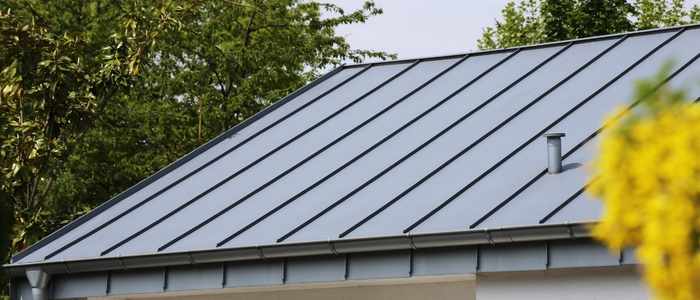
Choosing a new roof is a big decision. Between aesthetics, durability, cost, and maintenance, the options can feel overwhelming. One option that’s gaining popularity is metal roofing. From residential homes to commercial buildings, metal roofs offer a unique combination of performance and style but they aren’t perfect. Let’s break down the pros and cons so you can make an informed choice.
What Is Metal Roofing?
Metal roofing comes in panels or shingles made from materials like steel, aluminum, copper, or zinc. Unlike traditional asphalt shingles, metal roofs are designed to last decades, resist extreme weather, and provide energy efficiency. They come in a variety of styles, including those that mimic shingles, slate, or wood shakes, giving homeowners plenty of design flexibility.
Pros of Metal Roofing
Metal roofs are popular for good reason. They provide benefits that go beyond looks.
Longevity
Metal roofs can last 40–70 years, depending on the material and maintenance. That’s far longer than asphalt shingles, which typically last 20–30 years. Investing in a metal roof now can mean decades without worrying about replacement.
Durability and Weather Resistance
Metal roofing stands up to hail, high winds, heavy snow, and even fire. Unlike shingles that can curl, crack, or blow off, metal panels maintain their structural integrity under extreme conditions.
Energy Efficiency
Reflective metal roofing can reduce heat absorption, lowering cooling costs in summer. Many metal roofs come with reflective coatings that improve energy efficiency, making them environmentally friendly and cost-effective over time.
Low Maintenance
Metal roofs don’t require the same routine upkeep as asphalt shingles. Occasional inspections, debris removal, and touch-ups are generally sufficient to keep the roof in top condition.
Variety of Styles and Colors
From sleek standing seams to shingle-style panels, metal roofs are versatile in design. Homeowners can match their roof to traditional or modern architecture while enjoying metal’s benefits.
Lightweight
Compared to tile or slate roofs, metal is much lighter. This reduces stress on the building structure and may allow installation over existing roofing without heavy structural modifications.
Environmentally Friendly
Many metal roofs are made from recycled materials and are 100% recyclable at the end of their life. Combined with energy efficiency, this makes metal roofing an eco-conscious choice.
Resale Value
Homes with metal roofs often see higher resale value. The long lifespan, energy savings, and visual appeal make these roofs attractive to future buyers.
Cons of Metal Roofing
Despite all the benefits, metal roofs do come with some downsides. Understanding these can help you decide if it’s the right fit.
Higher Upfront Cost
Metal roofing is more expensive initially than asphalt shingles. While long-term savings often offset this, the upfront cost can be a barrier for some homeowners.
Noise
Rain, hail, or debris hitting a metal roof can create noise. Proper insulation and underlayment reduce this, but it may still be louder than asphalt shingles.
Denting and Scratching
While metal is durable, it’s not impervious. Hail or falling branches can dent panels. Certain materials like steel or aluminum are more prone to scratches during installation or maintenance.
Expansion and Contraction
Metal expands and contracts with temperature changes. If panels aren’t properly installed, this can cause fasteners to loosen or seams to separate over time.
Complex Installation
Metal roofing requires professional installation. Mistakes can lead to leaks, warranty issues, or reduced performance. It’s not a DIY-friendly option like asphalt shingles.
Limited Color Choices in Some Materials
While many metal roofs come in a wide range of colors, materials like copper or zinc have natural patinas that change over time, which may not appeal to every homeowner.
Appearance Misconceptions
Some people associate metal roofs with industrial buildings or barns. While modern designs are stylish, overcoming preconceived notions can be a challenge in certain neighborhoods or HOAs.
Repairs Can Be Costly
While metal roofs require minimal maintenance, repairs especially for dents or damaged panels can be more expensive than simple shingle repairs.
Pros and Cons Comparison Table
| Feature | Pros | Cons |
|---|---|---|
| Lifespan | 40–70 years | Higher upfront cost |
| Durability | Resistant to hail, wind, fire | Can dent or scratch |
| Maintenance | Low maintenance | Repairs can be costly |
| Energy Efficiency | Reflective, reduces cooling costs | Installation complexity affects performance |
| Weight | Lightweight | Expansion and contraction issues |
| Style Options | Many designs and colors | Some materials have limited color options |
| Environmental Impact | Recyclable, energy-efficient | Industrial perception may deter some buyers |
Is Metal Roofing Worth It?
If you plan to stay in your home long-term, metal roofing often pays off. The combination of durability, energy efficiency, and aesthetic flexibility can outweigh the higher upfront cost. It’s especially worth considering in areas with severe weather, heavy snow, or frequent hail.
What this really comes down to is balancing your budget with your priorities. If longevity, low maintenance, and environmental benefits are important, a metal roof is a smart investment. If upfront cost or noise is a concern, you may need to weigh these factors carefully.
Installation Tips
- Hire a professional installer experienced with metal roofing.
- Choose the right material for your climate aluminum for coastal areas, steel for inland durability, copper for long-term aesthetics.
- Consider insulation or underlayment to reduce noise and improve energy efficiency.
- Plan for proper roof ventilation to prevent moisture buildup.
Maintenance Tips
- Inspect the roof annually for loose fasteners, scratches, or dents.
- Remove debris like leaves, branches, and dirt to prevent water pooling.
- Touch up paint or coatings when needed to maintain appearance and corrosion protection.
- Check flashing, gutters, and downspouts to ensure proper water drainage.
- Address minor issues early to prevent costly repairs later.
Frequently Asked Questions
How long does a metal roof last?
Metal roofs typically last 40–70 years, depending on the material, installation quality, and maintenance, which is much longer than asphalt shingles.
Proper care, including annual inspections, debris removal, and touch-ups to coatings, can help maximize lifespan and maintain both appearance and performance over decades.
Are metal roofs noisy during rain or hail?
Properly installed metal roofs with underlayment and insulation are comparable in noise level to asphalt shingles, though heavy rain or hail may still be noticeable.
Choosing high-quality insulation and sound-dampening layers significantly reduces noise, making indoor living comfortable even during storms, while preserving the energy efficiency benefits of metal roofing.
Can metal roofs dent or scratch easily?
While durable, metal roofs can dent from hail or falling debris. Some materials, like steel or aluminum, are more prone to minor scratches, but damage is usually cosmetic.
Selecting thicker panels or coatings, and trimming nearby trees, can minimize dents and scratches, ensuring your roof maintains both strength and curb appeal over time.
Is metal roofing more expensive than traditional shingles?
Upfront costs are higher often 2–3 times asphalt shingles but long-term savings from durability, maintenance, and energy efficiency often offset the initial investment.
Over the roof’s lifetime, reduced repair needs, energy bills, and replacement costs make metal roofing a cost-effective, sustainable option for homeowners looking for value and long-term protection.
Final Thoughts
Metal roofing isn’t perfect, but it offers a range of benefits that traditional shingles can’t match. It’s durable, energy-efficient, low-maintenance, and stylish. On the flip side, it comes with higher upfront costs, potential noise, and more complex installation.
Ultimately, a metal roof is an investment in your home’s longevity, safety, and value. Weighing the pros and cons carefully ensures you get a roof that meets your needs, protects your property, and looks great for decades.